What's in Your Gravy Tells Me Everything About You
Ask a Southerner how they make their gravy and you'll learn more about them than you would from an hour of polite conversation. You'll find out where they grew up. Whether their grandmother cooked on gas or wood. How much black pepper is too much (spoiler: there's no such thing). And most importantly, whether they're a flour-and-fat person or a drippings-and-coffee person — a distinction that, in certain households, carries real emotional weight.
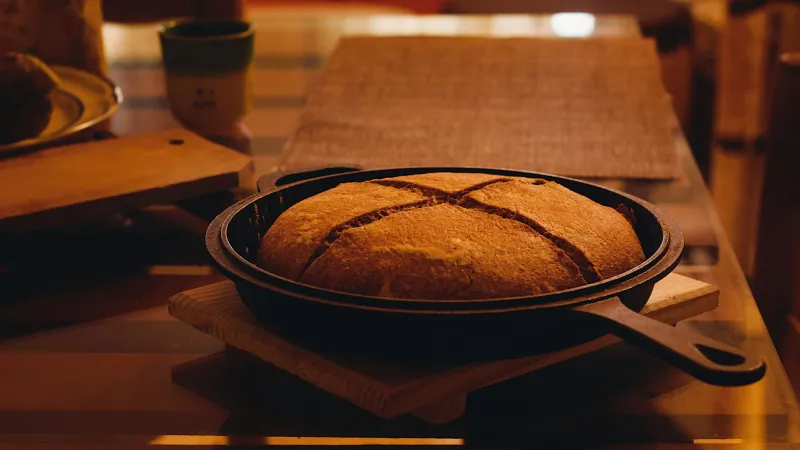
Gravy in the South is not a condiment. It's not an afterthought. It's not something you ladle on because the plate looked a little dry. It's the whole point. The biscuit exists to carry it. The pork chop exists to produce it. The cast iron skillet exists to build it, layer by layer, meal after meal, until the pan itself becomes a kind of gravy archive.
The Quiet Debate at Every Sunday Table
There are more varieties of Southern gravy than most people outside the region realize, and the differences between them map almost perfectly onto geography, tradition, and stubbornness. In Appalachian kitchens, red-eye gravy reigns — a thin, dark, almost bracing liquid made from country ham drippings and black coffee. It's not trying to be luxurious. It's honest. It tastes like a cold morning and a long day ahead. You pour it over ham and biscuits and you don't apologize for it.
Move south and west into Texas and the Hill Country, and cream gravy takes over with a confidence that borders on swagger. Made from sausage or bacon drippings, flour, and whole milk, it's thick enough to slow a spoon and seasoned — always, always — with cracked black pepper. This is the gravy of chicken-fried steak, of diner breakfasts, of the kind of lunch that requires a short nap afterward. It is, in a word, committed.
Then there's sawmill gravy, which some folks use interchangeably with cream gravy but which has its own distinct personality — often made with sausage crumbles left right in the pan, a little coarser in texture, a little more rustic in spirit. The name allegedly comes from the early twentieth century, when lumber camp workers ate it so often it was said to be made from sawdust and water. It wasn't. But the name stuck, and now it's a point of pride.
And don't sleep on tomato gravy, a tangy, deeply savory sauce built from canned tomatoes and pan drippings that shows up mostly in the Carolinas and parts of Georgia. Pour it over grits on a cold Tuesday morning and you'll understand why people get sentimental about breakfast.
How a Cook Finds Their Signature
Most Southern cooks don't sit down one day and decide on a gravy philosophy. It develops the way any real skill does — slowly, through repetition, failure, and the occasional kitchen revelation. You burn the roux once and you learn what "just past golden" actually means. You add the milk too fast and end up with lumps and regret. You season too timidly and your aunt gives you a look across the table that you carry with you forever.
What emerges over time is something deeply personal. Some cooks swear by a higher fat-to-flour ratio for a silkier pour. Others like it thick enough to stand a biscuit upright in. There are those who add a splash of stock for depth, those who reach for onion powder before anything else, and those who believe the only seasoning a good gravy needs is patience and a heavy hand with the pepper mill.
The ratio, the liquid, the fat source, the seasoning — each decision is a small statement of values. And once a cook locks in their version, they defend it with the quiet intensity of someone who knows they're right.
The Pan Is the Point
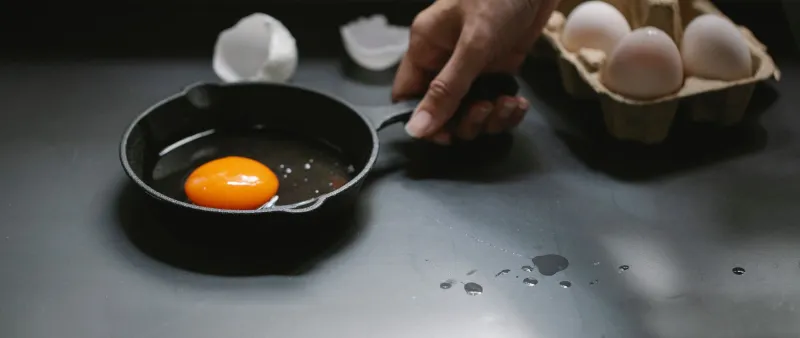
It's worth saying plainly: you cannot make a great Southern gravy in a nonstick skillet. You can make a fine sauce. You can make something edible. But the soul of the thing lives in the fond — those caramelized bits of meat and fat that cling to the bottom of a cast iron or carbon steel pan after something has been properly seared or fried. Deglazing that pan, coaxing those bits loose with liquid and heat, is where gravy stops being a recipe and starts being a conversation between the cook and everything that came before them.
This is why so many Southern cooks are quietly protective of their skillets. The seasoning built up over years of use isn't just a cooking surface — it's flavor memory. Each layer of fat baked into the iron is a record of every batch of bacon, every pan of cornbread, every Sunday pork roast. When you make gravy in a well-seasoned pan, you're pulling from all of it.
What Gets Passed Down (and What Doesn't)
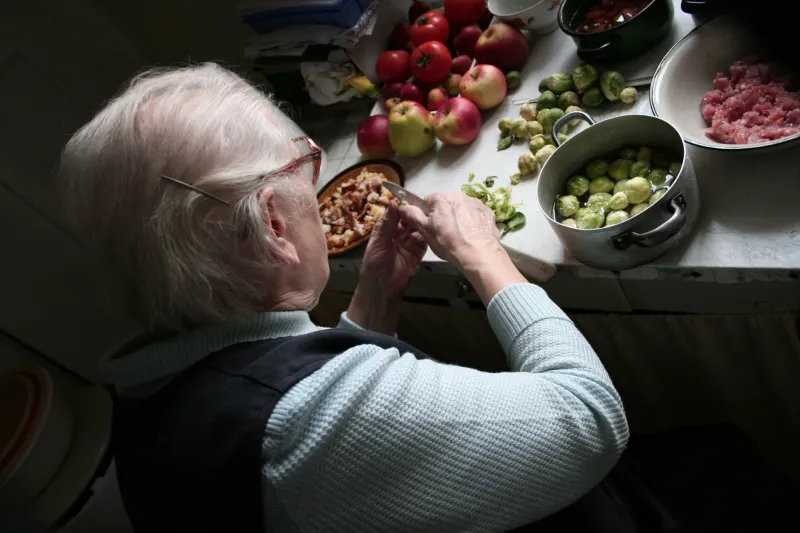
Recipes for gravy are notoriously hard to write down. Ask someone how much flour they use and they'll hold up a cupped palm and say "about this much." Ask how long to cook it and they'll say "until it smells right." These aren't evasions — they're the honest truth of a technique learned by watching, not measuring.
This is exactly why gravy-making is one of those skills that either gets passed down in person or gets lost entirely. You have to stand next to someone and watch them work the pan. You have to see how they hold the whisk, when they turn down the heat, how they test the consistency by the way it coats the back of a spoon. No amount of written instruction fully captures it.
Which makes the cooks who carry these traditions forward something worth celebrating. The grandmother who still makes red-eye gravy every Saturday morning. The line cook at a meat-and-three who has made cream gravy so many times her wrist moves on its own. The home cook who finally cracked their dad's sawmill gravy recipe after three years of trying.
A Philosophy Worth Developing
If you don't yet have a gravy philosophy, consider this your invitation to develop one. Start with the fat you have — bacon drippings, sausage grease, butter in a pinch. Build your roux slowly and watch it change color. Add your liquid warm if you can. Season twice: once in the pan, once at the end. And taste as you go, always.
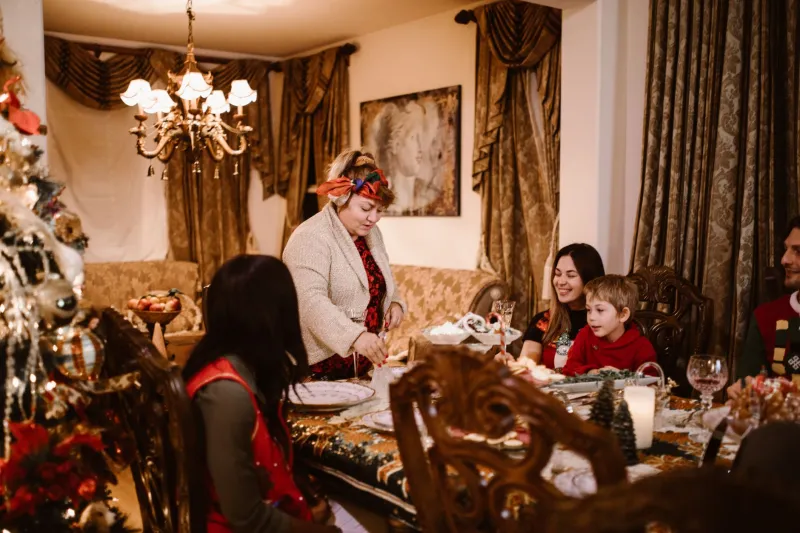
Your version won't be your grandmother's. It might not even be consistent at first. But cook it enough times in the same pan, adjust it to your own taste, serve it to people you love on Sunday mornings — and eventually, it'll be yours. Completely, unmistakably yours.
And that's the whole point.