Fading from the Table: The Southern Dishes Nobody Makes Anymore
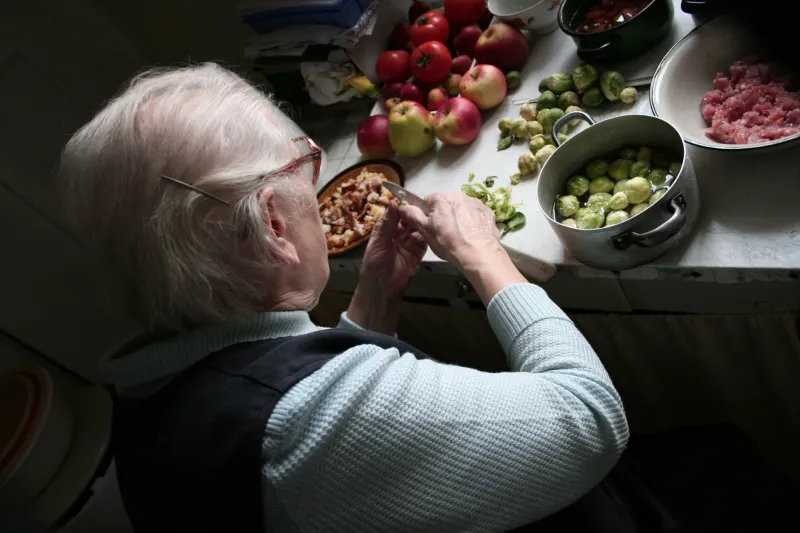
There's a pot of something simmering in the back of a lot of Southern memories — low and slow, filling the whole house with a smell that meant someone loved you enough to stand over a stove for three hours. Chitlins on a cold Saturday. A proper pot of hoppin' John on New Year's Day. Cracklin' cornbread. Pickled watermelon rind. Dishes that didn't just feed you — they placed you somewhere, in a family, in a season, in a story that went back further than you could see.
But something is shifting. Quietly, without much fanfare, those dishes are disappearing from home kitchens across the South. Not from restaurant menus trying to cash in on nostalgia — from the actual tables where they were born.
The Recipes That Are Slipping Away
Ask a food historian about which Southern dishes are most at risk and you'll get a long, uncomfortable list. Dr. Ronni Lundy, who has spent decades documenting Appalachian foodways, talks about how dishes like leather britches beans — green beans strung and dried for months before cooking — have nearly vanished outside of a few mountain communities. "The knowledge required isn't just a recipe," she's noted in conversations about preservation. "It's a whole seasonal relationship with food that most people simply don't live anymore."
Beyond Appalachia, the picture is similarly sobering. Dishes like stewed tomatoes and okra, slow-cooked pork neck bones, fried chicken livers, and hand-rolled tea cakes — the kind made with lard and buttermilk, not butter and vanilla extract — are becoming increasingly rare in everyday home cooking. So is a genuine pot likker soup, the humble, deeply nourishing broth left behind after a long cook of collard greens. People used to sop it with cornbread. Now most folks don't even know what it is.
Why It's Happening
The reasons aren't simple, and they're not all bad. Time is the most obvious culprit. A working family in 2024 isn't built around a kitchen the way households once were. When both parents are logging full work weeks and kids have three different activities on a Tuesday, nobody's soaking dried field peas overnight or rendering lard from scratch on a weekend morning.
Ingredient access is another piece of the puzzle. Some of the most traditional Southern ingredients — things like souse meat, fresh-killed hog parts, dried hominy, or certain heirloom varieties of butter beans — are genuinely hard to find unless you live near the right butcher, farmers market, or rural feed-and-seed that still carries dried goods. Chain grocery stores have standardized what's available, and a lot of old-school Southern pantry staples simply didn't make the cut.
Then there's the generational gap that opened up somewhere around the 1980s and 1990s, when Southern cooking started getting a reputation problem. Younger generations, eager to distance themselves from associations with poverty or the past, quietly stopped asking their grandmothers to teach them. "There was a period where people were almost embarrassed by certain dishes," says one food writer based in Birmingham who asked not to be named. "Chitlins, hog maw, cracklins — food that came out of necessity and hard times. A lot of families just... moved on."
The tragedy is that moving on meant losing something that couldn't be easily recovered.
The Families Who Remember
In eastern North Carolina, a woman named Darlene has been making her grandmother's sweet potato pone every Thanksgiving for the past forty years. It's not pie — it's something older and denser, made with grated raw sweet potato, cane syrup, and a touch of ginger, baked low and slow until it sets like a soft pudding. Her kids eat it dutifully. Her grandkids have started asking for pumpkin pie instead.
"I don't think they're being disrespectful," she says, laughing a little. "They just don't have the memory attached to it that I do. To me, that dish is my grandmother. To them, it's just something different on the table."
That memory gap is exactly what preservationists are racing to close before the last people who hold these recipes in their hands and heads are gone.
The Effort to Document What's Left
Across the South, a loose network of food documentarians, university extension programs, and community archivists are doing the quiet, urgent work of getting these recipes written down — and not just the ingredient lists, but the how. How hot the grease should be. How the dough should feel. What it smells like when it's done right. The kind of knowledge that lives in the body and doesn't survive a simple transcription.
The Southern Foodways Alliance out of Oxford, Mississippi has been doing this work for years, collecting oral histories and food narratives from cooks who learned before cookbooks were the point. The Appalachian Food Summit has brought together growers, cooks, and historians specifically to address the endangered status of regional dishes. And in communities across Georgia, Alabama, and the Carolinas, church cookbooks — long dismissed as quaint — are being reconsidered as genuine historical documents.
Some chefs are doing their part too. A handful of restaurants in cities like Charleston, New Orleans, and Atlanta have made it their mission to put forgotten dishes back in front of people — not as curiosities, but as real food worth eating. When a chef puts stewed chitterlings or a proper pot of red peas on a menu and people order it and love it, something gets reawakened.
What Gets Lost When a Recipe Dies
Here's the thing about a recipe disappearing: it's never just a recipe. It's a set of relationships — between a cook and her ingredients, between a family and its history, between a region and its land. When nobody makes leather britches anymore, we don't just lose a preparation method. We lose a whole way of thinking about seasons, preservation, and patience.
When cracklin' cornbread stops being made at home, we lose the knowledge of how to render lard properly, which means we lose the connection to the hog, which means we lose a whole economy of nose-to-tail cooking that was never wasteful, never precious, just practical and delicious.
Southern food at its best has always been resourceful. It came from people who didn't have much and made something extraordinary anyway. Losing those dishes isn't just a culinary loss — it's a cultural one.
You Can Still Do Something About It
If you've got an older relative who still makes something nobody else in the family knows how to make, this is your sign. Call them. Ask them to show you. Bring a notebook and your phone and your full attention. Don't just write down the ingredients — write down the way they talk about it, what they remember about learning it, who taught them.
The dishes that are disappearing from Southern tables aren't gone yet. But the window is narrowing, and the people who hold the knowledge aren't going to be around forever.
Some things, once lost, don't come back. The least we can do is pay attention before they're gone.